If you are asking how to improve seo, the fastest gains usually come from treating Google visibility as a connected system: clear website structure, local trust signals, useful content, technical health, and measurable conversions. This guide shows small businesses how to become easier to find, easier to trust, and easier to contact from search results.
Start With the Real Goal: Better Visibility That Turns Into Leads
Google visibility is not just “more traffic.” It means showing up in the right organic results, map listings, local searches, and discovery moments when a potential customer is ready to compare, call, book, visit, or request a quote.
A practical answer to how to improve seo starts with business outcomes. Track calls, forms, appointment requests, directions clicks, store visits, and revenue-influenced leads. Rankings matter, but they are only useful when they bring qualified prospects closer to a decision.
Use this framework: fix discoverability, strengthen relevance, build local trust, publish helpful content, and measure conversions. When those pieces work together, SEO becomes a repeatable growth system instead of a random list of tasks.
Build a Website Structure Google and Customers Can Understand
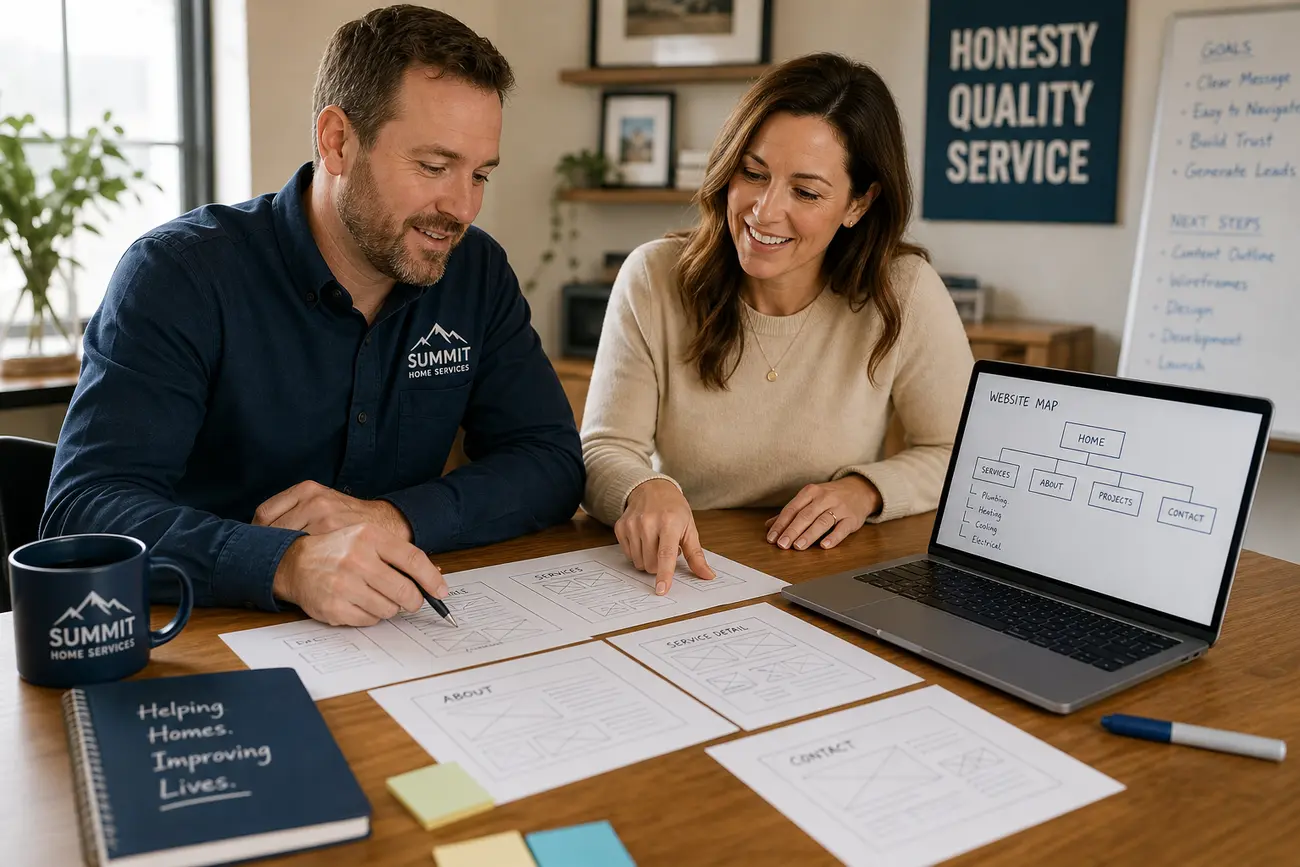
Your website should make it obvious what you do, who you serve, and where you operate. Create dedicated pages for core services, products, locations, and contact actions. Each important page should have a clear purpose and match real search intent.
Use descriptive page titles, clear H1 headings, short URLs, and internal links that guide visitors to the next useful step. Avoid creating multiple thin pages that target nearly identical keywords; consolidate them or make each page meaningfully different with unique proof, details, and offers.
Every key page should make conversion easy with click-to-call buttons, appointment links, lead forms, directions, and visible contact information. For service businesses, this guide on what a service business website needs to generate qualified leads is a useful companion to your SEO structure work.
Use Keyword Research to Shape Demand, Not Just Page Titles
Keyword research helps you understand demand, language, and commercial intent. Google Keyword Planner is used to discover keyword ideas, search ranges, related phrases, and competitive signals around your services, locations, and customer problems.
Is Google Keyword Planner free? Yes, it is free through a Google Ads account, although some search volume data may appear as ranges without active campaigns. It is still available inside Google Ads: sign in, open Tools, choose Planning, and select Keyword Planner.
To improve relevance, balance primary keywords with long-tail phrases, question searches, and local modifiers customers actually use. Free and paid SEO tools can help, but the best insights come from matching keywords to buying stages: problem awareness, comparison, pricing, proof, and final contact.
Create an SEO Content Strategy Around Customer Decisions
A strong seo content strategy is not just a blog calendar. It is a map of the questions customers ask before they trust you. Build content for problem discovery, service comparison, cost concerns, proof, objections, and the final step to call or book.
Useful formats include service guides, local comparison pages, checklists, case studies, FAQs, before-and-after examples, and “what to expect” articles. Answer common questions directly near the top of a section, then support the answer with practical details. This improves readability and may help your content qualify for featured snippets.
Refresh older content regularly. Add better examples, updated service details, stronger internal links, clearer calls to action, and proof such as testimonials or project photos. If you are deciding how to improve seo without constantly publishing new pages, content improvement is often one of the highest-return activities.
Improve Local SEO Ranking Factors That Build Trust
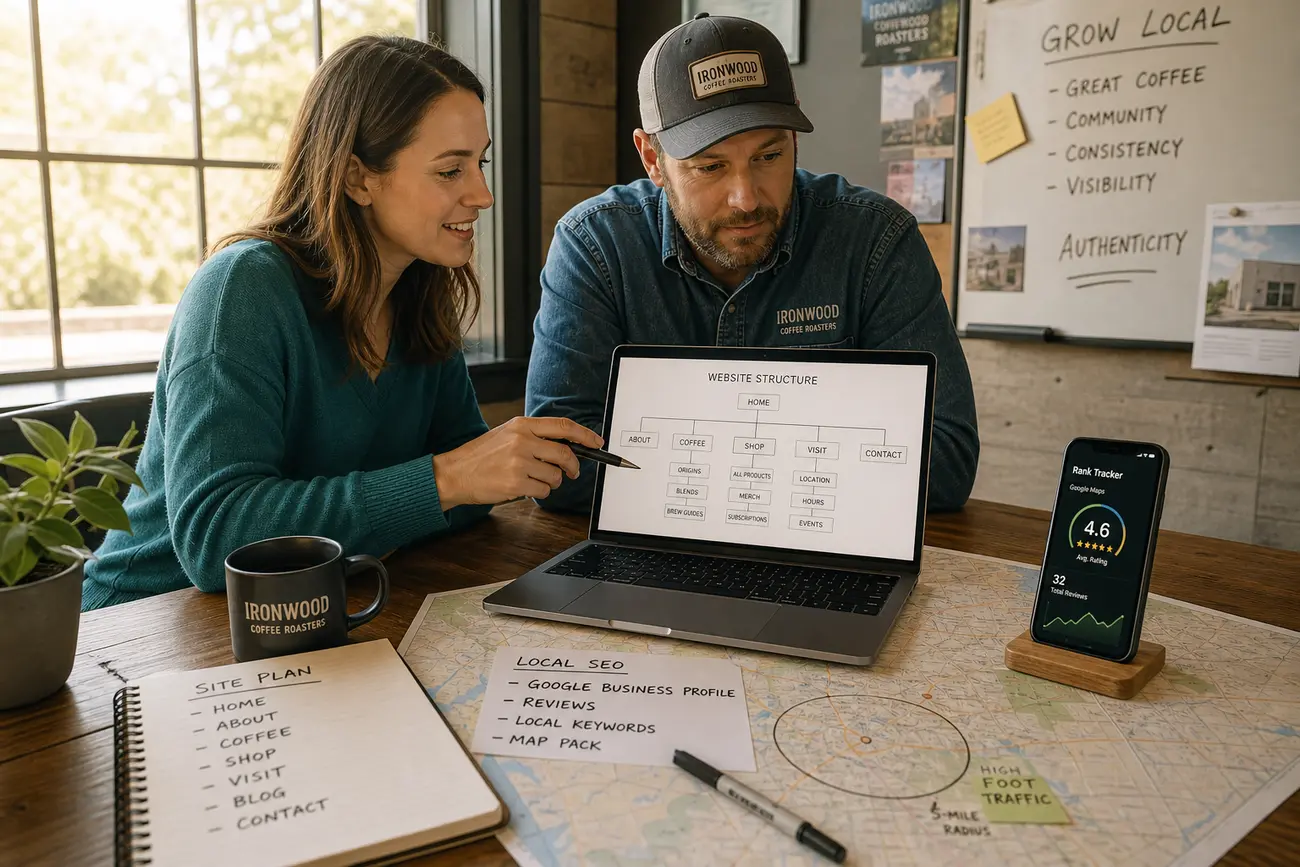
For local businesses, your Google Business Profile is often as important as your website. Optimize categories, services, hours, photos, business description, products, appointment links, and service areas. Keep your profile accurate whenever hours, offerings, or locations change.
The most important local seo ranking factors include proximity, relevance, prominence, review quality, review velocity, citation consistency, on-page location signals, and user engagement. You cannot control a searcher’s location, but you can improve how clearly Google understands your business and how much trust your brand shows online.
- Keep NAP consistent: use the same business name, address, and phone number across directories, maps, social profiles, and industry listings.
- Ask for reviews consistently: request feedback after successful jobs and respond with specific, helpful replies.
- Add local proof: include service areas, team photos, project examples, testimonials, partnerships, and community involvement on your website.
Fix Technical SEO Basics Before Scaling Content
What are the 4 types of SEO? In practical small-business terms, they are on-page SEO, technical SEO, local SEO, and off-page SEO. On-page SEO improves content and page relevance. Technical SEO helps Google access and understand the site. Local SEO builds location trust. Off-page SEO strengthens authority through mentions, links, and reputation.
Technical SEO does not need to be perfect, but it must not block important pages. Prioritize crawlability, indexability, mobile usability, page speed, HTTPS, XML sitemaps, clean redirects, canonical tags, and structured data where appropriate.
What are technical SEO tools? They are tools that audit crawling, indexing, speed, structured data, redirects, and site health. Useful options include Google Search Console, PageSpeed Insights, Screaming Frog, Semrush, Ahrefs, and Sitebulb. For most small businesses, the essential SEO tools are Google Search Console, Google Analytics, Google Business Profile, PageSpeed Insights, and a keyword research tool.
Track What Matters and Turn SEO Into a Repeatable System
SEO is evolving in 2026, not dying. Google still needs to understand which businesses are relevant, trustworthy, technically accessible, and useful to searchers. What is changing is the standard: shallow content and vague optimization are less effective than helpful pages, local proof, and conversion-focused visibility.
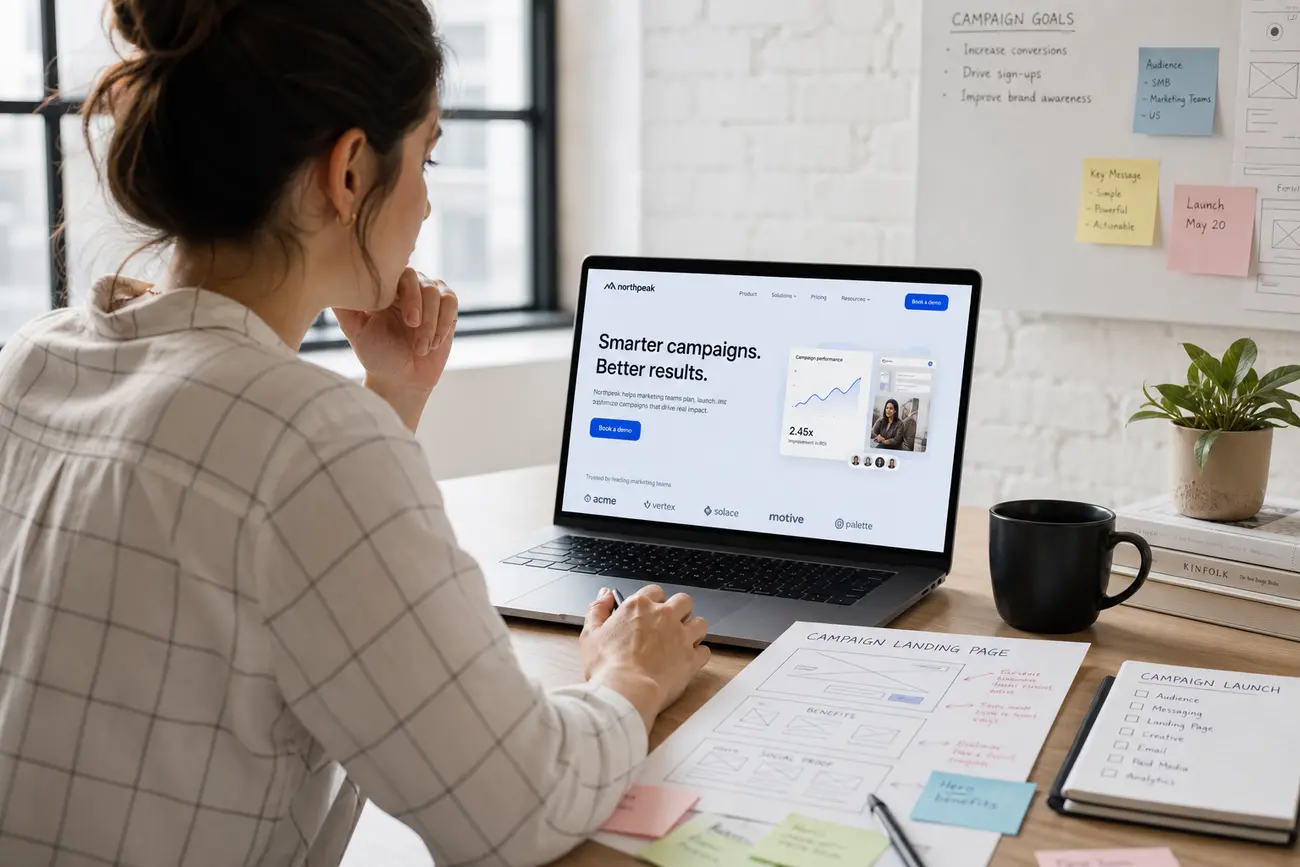
Set up Google Analytics, Google Search Console, call tracking, form tracking, and Google Business Profile performance monitoring. Measure rankings alongside impressions, clicks, calls, forms, conversion rate, and revenue-influenced leads. If a page gets traffic but no action, review whether your offer, proof, or call to action is strong enough. This guide on how to tell if your landing page is really working can help.
Create a simple 90-day rhythm: fix technical issues, update priority pages, publish or improve content, request reviews, strengthen local profiles, and test conversion points. Review search queries monthly to find new questions, weak pages, and local visibility gaps.
Frequently Asked Questions
Is Google Keyword Planner free?
Yes. Google Keyword Planner is free to access through a Google Ads account, though search volume data may appear in broad ranges without active ad campaigns.
Is Google Keyword Planner still available?
Yes. Google Keyword Planner is still available inside Google Ads under the planning tools section.
How do I get to Google Keyword Planner?
Sign in to Google Ads, open Tools, choose Planning, and select Keyword Planner. You may need to create a Google Ads account first.
What is Google Keyword Planner used for?
It is used to discover keyword ideas, estimate search demand, understand competition, group related terms, and plan SEO or paid search campaigns.
What are the SEO tools small businesses should use?
Start with Google Search Console, Google Analytics, Google Business Profile, PageSpeed Insights, and a keyword research tool. Add crawler or rank tracking tools as your program grows.
Is SEO dead or evolving in 2026?
SEO is evolving. Visibility now depends more on helpful content, strong local trust signals, technical quality, brand credibility, and pages that convert searchers into customers.
What are the 4 types of SEO?
The four practical types are on-page SEO, technical SEO, local SEO, and off-page SEO. A complete strategy uses all four together.
What are technical SEO tools?
Technical SEO tools audit crawlability, indexing, site speed, structured data, redirects, broken links, duplicate content, and other site health issues that can limit visibility.
What are SEO services?
SEO services commonly include technical audits, keyword research, content strategy, local SEO, link building, reporting, analytics setup, and conversion optimization.
Who are the biggest SEO companies?
The largest SEO companies vary by market and industry. Small businesses should choose an agency based on relevant experience, transparent reporting, clear strategy, and measurable business results.
Share Article
Your Digital Edge, Fully Automated
Spin up a cutting-edge website in minutes and preview it free - no signup, no credit card. Then keep growing it with MR.ROBOT's AI pipeline that writes, optimizes, and publishes SEO articles straight from your phone.
No signup. No credit card. You only pay when you love the result.