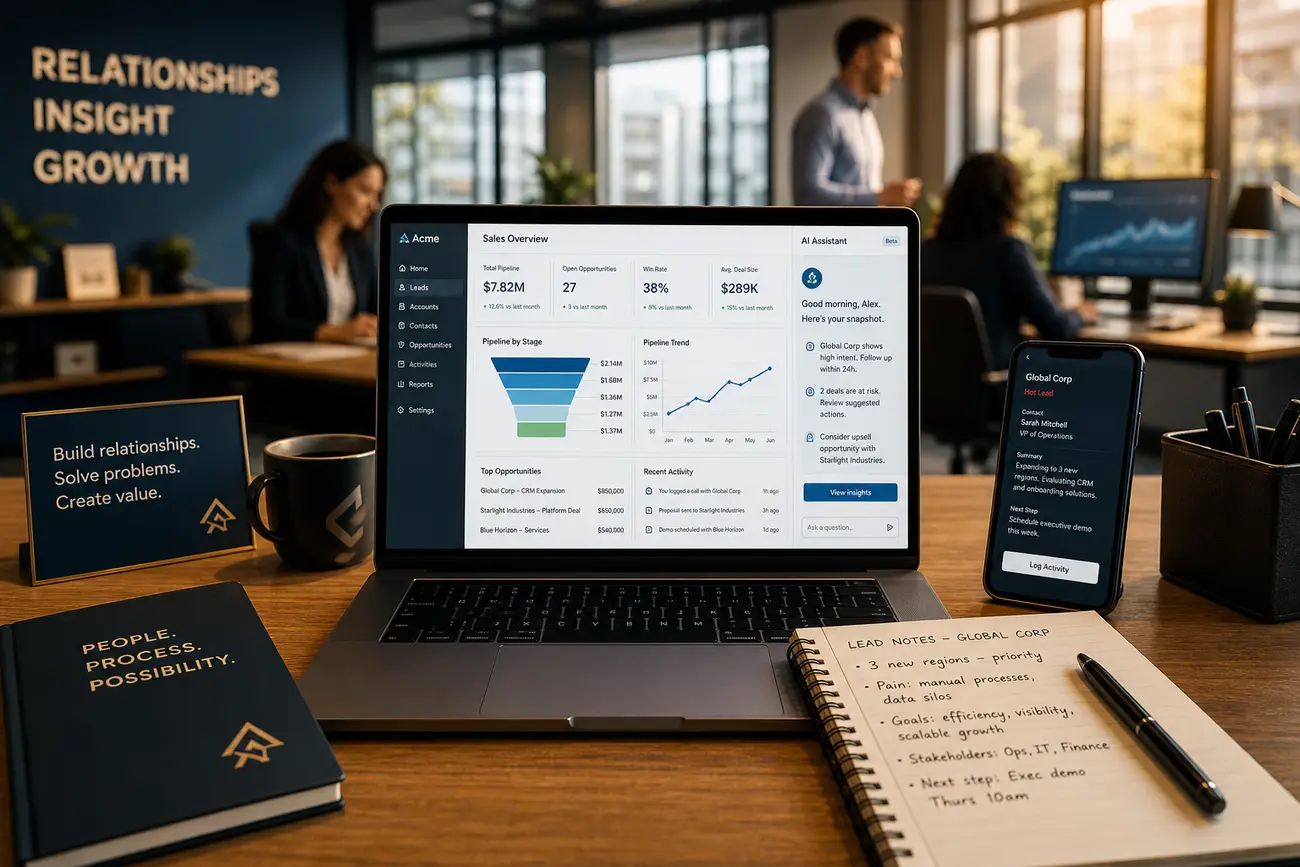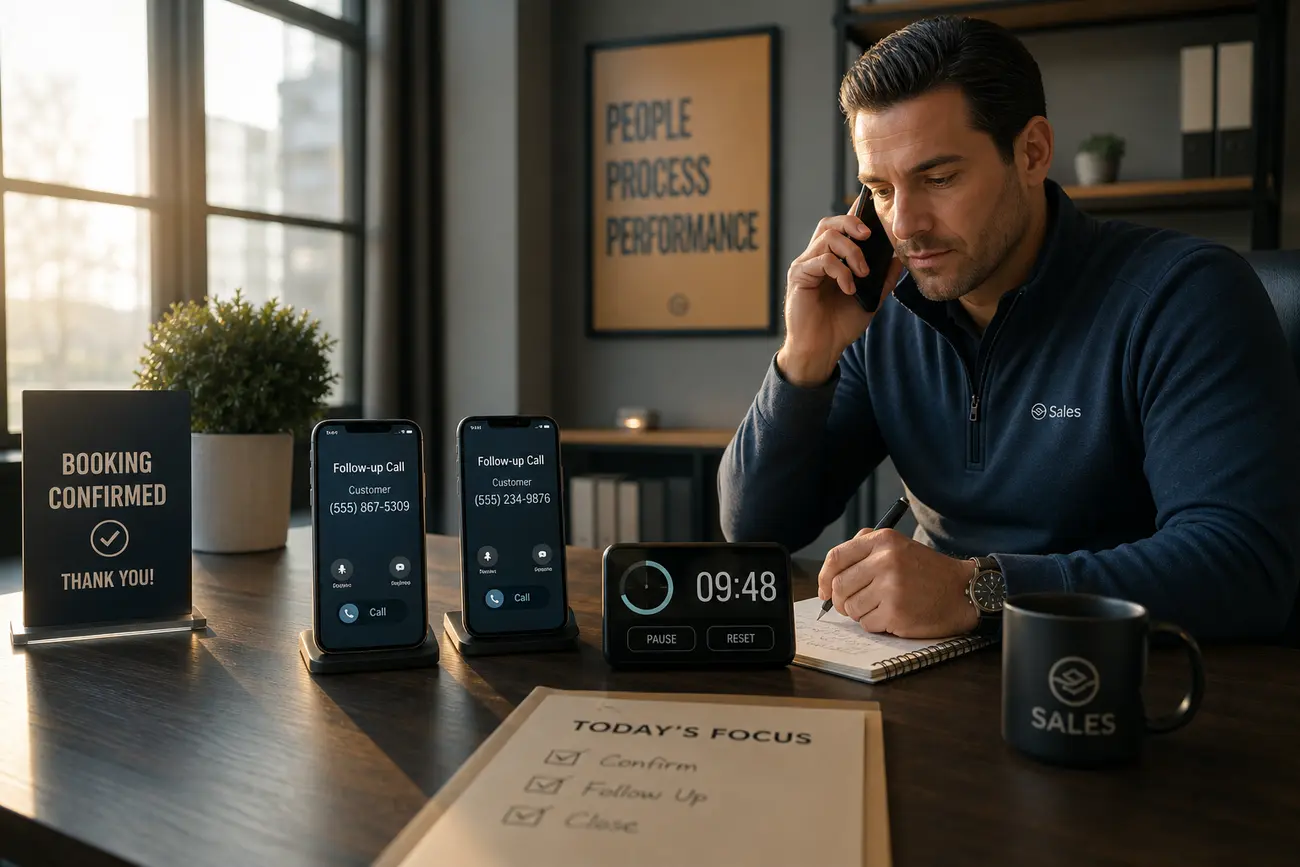
Your show up rate is where booked calls turn into real sales opportunities, and it is often the hidden revenue leak in lead generation. Getting a prospect to choose a time is not the finish line; the hours or days between booking and attendance are a conversion stage that needs reminders, qualification, expectation-setting, and fast recovery when someone misses the call.
Why Your Show Up Rate Matters More Than Your Booking Rate
Show up rate is the percentage of booked calls that actually happen. The simple formula is: attended calls divided by booked calls, multiplied by 100. If 100 prospects book and 62 attend, your show up rate is 62%.
A high booking rate can look impressive while hiding weak lead quality, poor sales forecasting, and wasted ad spend. A calendar full of casual appointments is not the same as a pipeline of qualified conversations. If prospects do not attend, your cost per booked call becomes misleading and your true cost per sales conversation rises.
Treat the post-booking stage like a landing page or ad campaign. The prospect has shown intent, but they still need confidence that the call is worth their time.
What Causes Prospects to Miss Booked Sales Calls
Most no-shows come from five causes: low intent, weak urgency, unclear value, calendar friction, and poor reminders. Prospects forget calls more easily when the booking experience feels generic, transactional, or disconnected from the problem they wanted solved.
Long delays between booking and the appointment also increase risk. Someone who books for two weeks from now may lose urgency, find another provider, or forget why they scheduled. Unqualified leads inflate booking numbers but reduce attendance, while a late cancellation often signals that expectations were not set clearly enough after booking.
Set Expectations Immediately After the Call Is Booked
Your confirmation page should do more than repeat the date and time. It should reinforce why attending matters, who they will speak with, what will be covered, how long it will take, and what they should prepare. A short agenda makes the call feel like a committed business conversation, not a casual calendar slot.
- Confirm the video link, phone number, time zone, and call length.
- Explain the outcome: diagnosis, demo, pricing review, strategy session, or next steps.
- Add a reschedule link so changing the time is easier than disappearing.
Appointment clarity matters in every industry
People often ask practical questions such as “How do I set an appointment with Chase?” or “How do I schedule an appointment with Chase Bank?” The answer is usually to use the bank’s website, app, branch locator, or phone support to choose a branch, service, and time. Chase Bank may accept walk-ins for some services, but an appointment is recommended when you need to talk to a banker. The lesson for sales teams is the same: make the next step obvious, specific, and easy to confirm.
Use Reminder Sequences That Increase Attendance Without Feeling Pushy
A strong reminder sequence protects your show up rate without annoying the prospect. Use a cadence like this: immediately after booking, 24 hours before, 3 hours before, and 15 minutes before the call. Email is useful for details, SMS is strong for urgency, WhatsApp works well in markets where people use it daily, and calendar notifications help with time awareness.
Good reminders are short and specific. Instead of “Don’t forget your call,” say why the call matters: “Tomorrow we’ll review your current lead flow and identify where qualified inquiries are dropping off.” Use different angles: confirmation, preparation, value reinforcement, and final joining instructions.
Qualify Leads Before the Call to Prevent No-Shows
Qualification increases commitment because the prospect invests effort before speaking with sales. Use booking form questions to reveal budget, urgency, company size, pain points, and decision-making authority. These answers help you separate serious buyers from curiosity bookings.
Conditional routing can protect your calendar: high-intent prospects get faster access, while low-fit leads receive nurture content or an async resource first. Reviewing answers before the call also lets the salesperson personalize the first minute. For a deeper framework, see this guide on how to measure lead quality from marketing campaigns.
Reduce Late Cancellation With Clear Policies and Easy Rescheduling
Some cancellations are unavoidable, but repeated late cancellation patterns can be reduced. Put a reschedule link in every reminder so prospects can move the call instead of ignoring it. For consultations, demos, paid appointments, or limited-capacity sessions, a clear cancellation window can also reduce casual bookings.
Tools such as Square Appointments cancellation policy settings can help businesses define notice periods and automate enforcement. For sales calls, however, the goal is not to punish prospects; it is to preserve momentum and keep qualified leads engaged.
Policy questions should be answered plainly
Consumers also ask questions like “How does Next Up Anytime work with AT&T?” “Can I get rid of AT&T Next Up?” “Is AT&T Next Up Anytime worth it?” and “What happens if I don’t use Next Up?” In general, it is an optional device-upgrade add-on, can usually be removed through account management, is worth considering only if you upgrade often, and provides little value if unused. The broader lesson: unclear policies create hesitation, missed expectations, and cancellations.
Use WhatsApp Follow-Up to Recover At-Risk Bookings
WhatsApp often gets faster responses than email because it feels conversational and immediate. Send a human-sounding confirmation shortly after booking: “Hi Sarah, looking forward to speaking tomorrow at 10:00. We’ll review your current campaign results and next steps. Is this still a good time?” That simple reply creates micro-commitment.
Before the call, ask one preparation question: “Can you send the main goal you want us to focus on?” If they miss the call, recover politely: “Looks like we missed each other. Happy to help if the timing still makes sense; here’s the reschedule link.” For more examples, read how to manage WhatsApp leads from first message to closed deal.
Automate the Post-Booking Workflow and Track What Improves Show Up Rate
A reliable workflow should run automatically: booking trigger, CRM update, confirmation message, reminders, qualification check, attendance status, and missed-call follow-up. Automation improves your show up rate when it supports a more personal experience, not when it replaces human judgment.
Tag leads by source, campaign, offer, and qualification level. Track show up rate by channel, reschedule rate, late cancellation rate, and close rate after attendance. Then test reminder timing, message copy, available booking windows, and form questions. The best system does not just reduce no-shows; it shows you where they originate.
FAQ
What is a good show up rate for sales calls?
Benchmarks vary by industry, offer, and lead source. Qualified inbound calls should generally have a much higher show up rate than cold, low-intent, or incentive-driven bookings. Compare performance by channel rather than relying on one universal benchmark.
How do you calculate show up rate?
Use this formula: attended calls divided by booked calls, multiplied by 100. For example, 45 attended calls out of 60 booked calls equals a 75% show up rate.
How can I reduce no-shows after prospects book a call?
Combine immediate confirmation, a clear agenda, multi-channel reminders, qualification questions, easy rescheduling, and fast missed-call follow-up. Each step increases commitment before the meeting starts.
What should I do when a prospect makes a late cancellation?
Reply quickly with a reschedule option, restate the value of the conversation, and track whether the late cancellation came from a specific lead source, campaign, or booking window.
Can a cancellation policy improve attendance for booked calls?
Yes, a clear policy can reduce casual bookings, especially for consultations or paid appointments. For sales calls, pair the policy with flexible rescheduling so qualified prospects stay engaged.
Should I use WhatsApp reminders for sales appointments?
Use WhatsApp when your prospects already communicate there. Short, personal reminders can create stronger commitment than email alone and can help recover at-risk bookings before they become no-shows.
Share Article
Your Digital Edge, Fully Automated
Spin up a cutting-edge website in minutes and preview it free - no signup, no credit card. Then keep growing it with MR.ROBOT's AI pipeline that writes, optimizes, and publishes SEO articles straight from your phone.
No signup. No credit card. You only pay when you love the result.