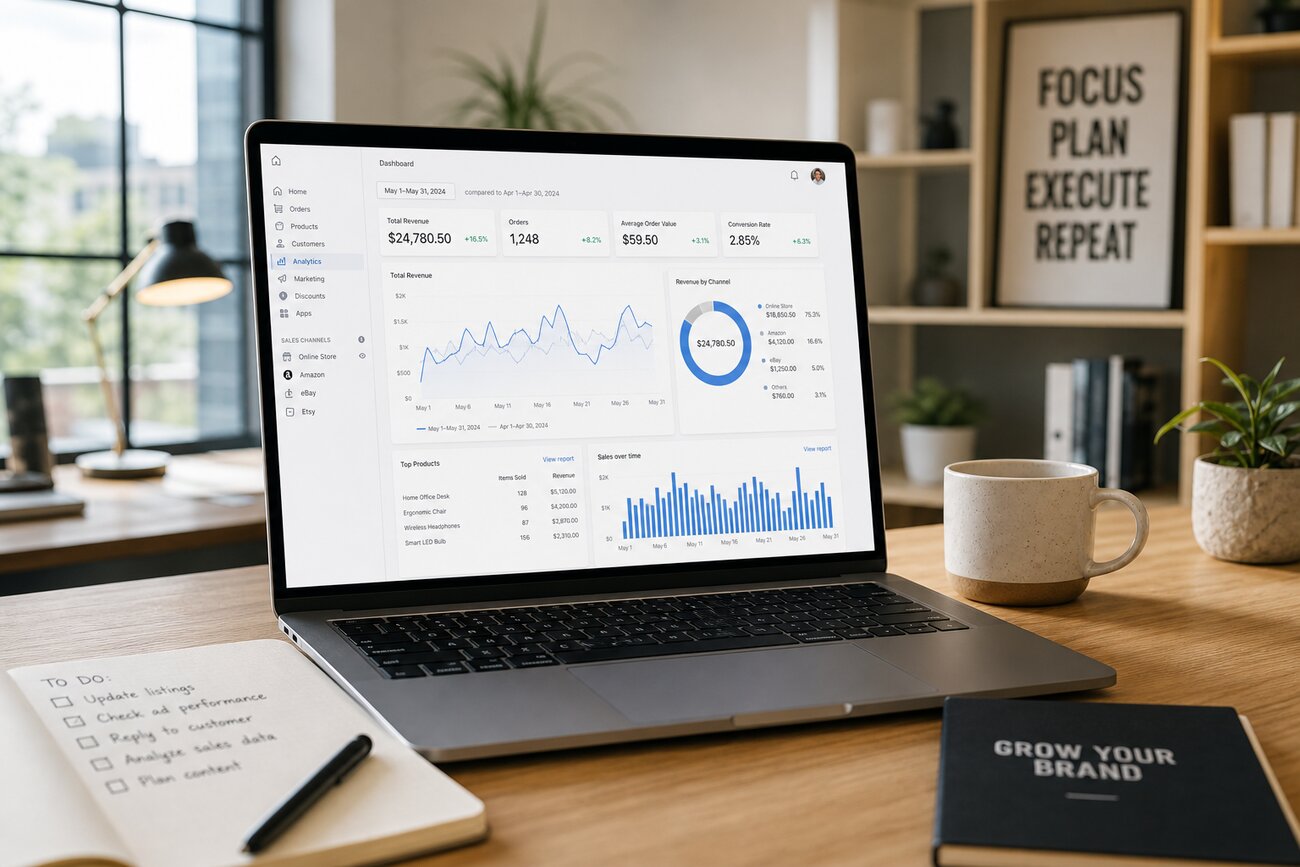
If your store already gets traffic, your biggest missed opportunity is usually not acquisition, it is what happens after the click. The right conversion optimization tools and a disciplined testing process help you find where revenue leaks out of the funnel, fix the highest-cost friction first, and turn the same visitor volume into more orders, higher average order value, and better repeat purchase economics.
Conversion Optimization Tools That Expose Revenue Leaks Fast
In ecommerce, conversion optimization tools are the software stack used to see where shoppers hesitate, abandon, or lose trust before buying. Good tools do not just report traffic. They show which pages lose money, which devices underperform, and which checkout steps create drop-off that directly reduces revenue.
Use tools by job, not by brand popularity. Analytics tools show page-level revenue, funnel drop-off, and segment performance by device, source, and landing page. Heatmaps and session recordings show rage clicks, dead clicks, scroll depth, and where shoppers miss key content. A/B testing tools validate whether a headline, layout, price presentation, or offer actually lifts revenue per session. On-site surveys capture objections such as shipping cost, delivery timing, and sizing confusion. Checkout monitoring tools catch payment errors, form failures, coupon-field issues, and one-browser bugs that silently suppress sales.
- Analytics: GA4, Triple Whale, Northbeam, or your platform analytics for revenue by source, landing page, and product.
- Heatmaps and recordings: Hotjar, Microsoft Clarity, FullStory for user behavior and friction discovery.
- A/B testing: VWO, Optimizely, Convert, or platform-native experiments for testing copy, design, and offers.
- Surveys: Hotjar surveys, Fairing, KnoCommerce for exit intent, post-purchase, and lost-checkout feedback.
- Checkout monitoring: Sentry, LogRocket, Datadog, or payment analytics to catch broken fields, failed transactions, and device-specific errors.
AI is making conversion optimization tools faster to use. AI summarization can cluster session-recording patterns, survey themes, and support tickets into a short list of likely blockers. AI personalization can change recommendations, bundles, and onsite messaging by traffic source, cart value, or browsing history. The value is speed: fewer hours watching recordings, faster hypothesis generation, and more relevant offers shown before the shopper bounces.
What Is Conversion Optimization in Ecommerce?
Conversion optimization in ecommerce means increasing the percentage of visitors who buy or complete revenue-driving actions such as adding to cart, starting checkout, joining email or SMS, or purchasing again. It is not limited to conversion rate alone. Real gains show up in AOV, checkout completion rate, and repeat purchase rate, because each one changes revenue without requiring more ad spend.
The simplest framework is this: diagnose friction, prioritize high-impact pages, test changes, then measure revenue outcomes. Diagnose with analytics, recordings, surveys, and support logs. Prioritize pages that influence the most money, usually top landing pages, best-selling product pages, cart, and checkout. Test one meaningful change at a time. Then measure results in revenue per visitor, AOV, checkout completion, and profit, not just button clicks.
- Diagnose friction: find where people leave and why.
- Prioritize high-impact pages: focus where traffic and purchase intent are highest.
- Test: run controlled changes to offers, layouts, copy, and flow.
- Measure revenue: keep what increases profit, not what merely increases engagement.
Strategy 1: Match Traffic Intent to Landing Pages and Offers
The first website optimization priority is matching visitor intent to the page they hit. If an ad promises “waterproof hiking boots under $100” and the landing page opens with a generic brand story, you lose sales before the product grid even loads. Shoppers need immediate confirmation that they are in the right place, at the right price range, with the right product type.
Start with clearer headlines that mirror ad copy and search terms. Strengthen category navigation so visitors can filter by the attributes they came for, such as size, use case, color, or price. Make mobile-first speed non-negotiable, because slow category pages destroy intent before users browse. Build campaign-specific landing pages for top ad groups, seasonal promotions, and high-volume search themes instead of sending everyone to the homepage.
This is basic website optimization, but it has direct revenue impact. Better message match lifts product views, add-to-cart rate, and qualified session depth. If you buy traffic with high intent and then force visitors to hunt, you are paying for clicks that never had a fair chance to convert.
Strategy 2: Turn Product Pages Into Conversion Engines
Product pages carry the heaviest sales burden, so weak pages create expensive leakage. Strong product pages combine benefit-led copy, visible trust signals, reviews, FAQs, sizing help, and delivery clarity. A shopper should understand what the product solves, why it is credible, when it arrives, and what happens if it does not fit, all without digging.
Common friction is predictable: low-quality images, no zoom, hidden shipping costs, vague return policies, confusing variant selectors, and sparse details that force shoppers to leave the page for answers. Every unanswered question lowers confidence and increases comparison shopping.
- Test CTA language: “Add to Cart” versus category-specific value framing.
- Move social proof: try reviews near price, near CTA, or near variant selection.
- Add bundles: pair core products with accessories to increase AOV.
- Use urgency carefully: low-stock messaging or shipping cutoff timers only when accurate.
- Improve media: show scale, lifestyle use, texture, and key differentiators in the first image set.
Much of ecommerce conversion optimization is simply making the product page answer the sale before doubt shows up. If your best-selling SKUs get most of the traffic, optimize those first and you will usually see the fastest revenue lift.
Strategy 3: Remove Cart and Checkout Friction Before It Kills Sales
Cart and checkout issues are where purchase intent goes to die. Simplify forms, remove unnecessary fields, support guest checkout, and surface total cost early so shoppers are not surprised by fees at the last step. If a customer is ready to pay, every extra tap is a risk.
Mobile abandonment deserves special attention because small usability failures become large revenue losses on a phone. Use large tap targets, fast-loading payment options, and autofill-friendly fields. Offer the payment methods your audience already prefers, such as Shop Pay, Apple Pay, Google Pay, PayPal, Klarna, or region-specific wallets. That is not a design preference; it is website optimization tied directly to checkout completion.
- Progress indicators: reduce uncertainty about how many steps remain.
- Autofill and address validation: cut form friction and errors.
- Promo code handling: avoid making the field too distracting or easy to misuse.
- Trust badges and policy links: reinforce payment security and returns confidence.
- Abandoned-cart recovery: trigger email and SMS reminders with cart contents, urgency, and support answers.
Run CRO checks weekly on checkout error rates, payment declines, and device-specific drop-off. A one-point lift in checkout completion often pays back faster than months of top-of-funnel spend.
Strategy 4: Increase Revenue Per Visitor With Upsells, Personalization, and Retention
Winning the first order matters, but revenue grows faster when you increase both AOV and customer lifetime value. That means recommending the right add-ons in cart, showing post-purchase offers that do not interrupt the original sale, and collecting email or SMS so you can bring shoppers back without paying for another first click.
Use product recommendations based on cart contents, browsing behavior, and top co-purchase patterns. Add cart upsells that are relevant and low-friction, not random. Use post-purchase offers for one-click add-ons after payment. For consumables or repeatable categories, build replenishment flows and reorder reminders timed to expected usage cycles. That is where conversion optimization becomes compounding: each improvement keeps earning after the first session ends.
Prioritize repeatable wins over one-off stunts. A slightly better cross-sell module, a stronger welcome flow, or a reliable replenishment sequence can add revenue every day with no extra traffic. The stores that grow fastest treat retention and personalization as part of the same revenue system, not as separate channels managed in isolation.
Share Article
Your Digital Edge, Fully Automated
Spin up a cutting-edge website in minutes and preview it free - no signup, no credit card. Then keep growing it with MR.ROBOT's AI pipeline that writes, optimizes, and publishes SEO articles straight from your phone.
No signup. No credit card. You only pay when you love the result.